

We recently added a new set of routines to the Seneca course on Stoa – check it out here (iPhone, Android).
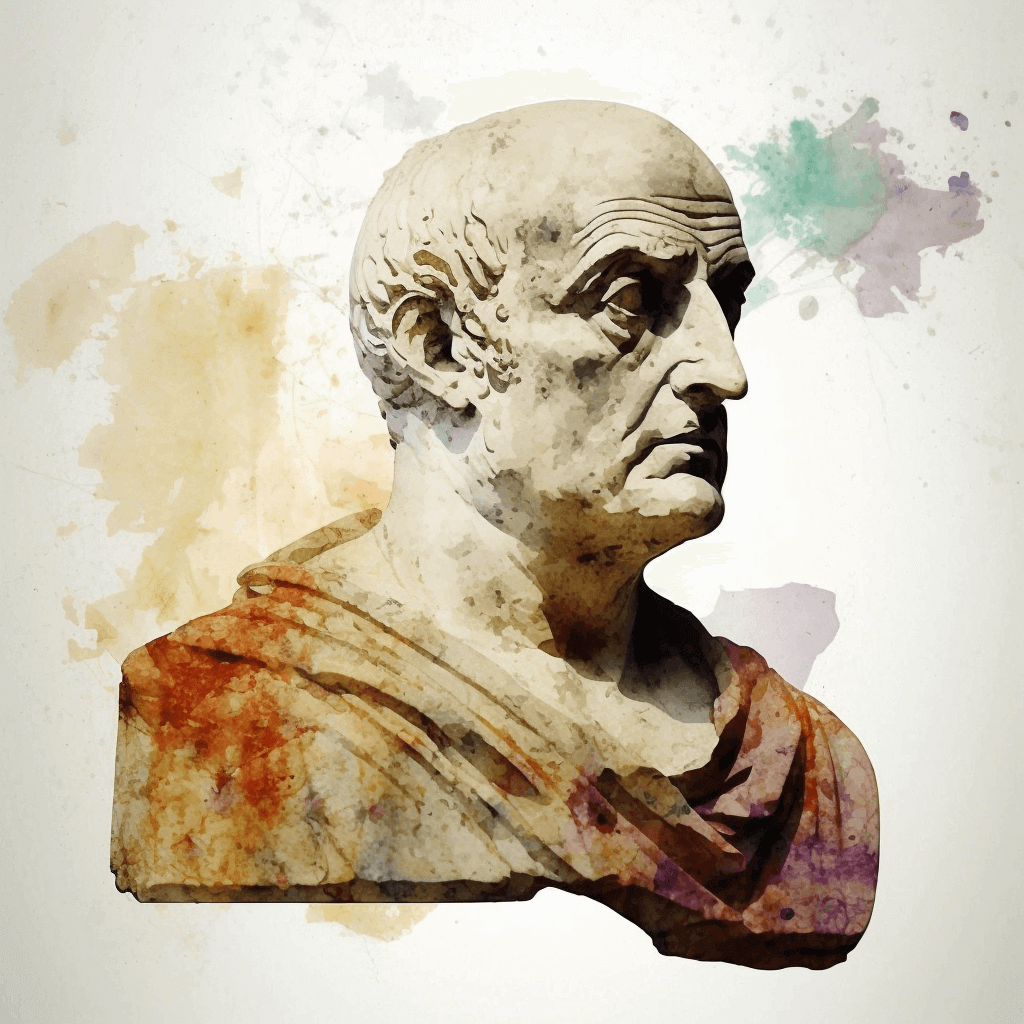
Today, let’s talk about the dangers of wealth.
Seneca said:
If you wish to have leisure for your mind, either be a poor man, or resemble a poor man.
Moral Letter 17
The pursuit of prosperity comes with serious risks. The path towards financial success is full of snares.
There’s something rich about this coming from Seneca. He was one of the wealthiest men in the Roman empire.
But don’t forget that he offered all of his riches to Nero in an attempt to extract himself from politics. He didn’t think it was all important. People don’t talk about that fact of Seneca as much.
Many seek freedom through wealth. They want “F U Money” – money that gives them the power to work how they want, with who they want, doing what they want.
But do you need it? If you require F U Money to be free – there’s the concern that material objects have already come to own you. Why can’t you be free now? Is more money in your bank account really holding you back from being who you want to be? If you dedicate yourself to the venture of becoming rich – are you putting off the project of becoming excellent?
That must come first – that’s what Seneca says is essential.
Seneca was exiled several times in his life. He used these periods to write plays and philosophy. Social alienation gave him the ability to pursue leisure.
He didn’t always like it. And he fought to return to the action of Rome. But despite that, he used his time well.
Poverty gives us the time to pursue leisure.
Today, when we think about leisure we often associate it with entertainment. During our downtime, we consume TV, algorithmic slop, and digital junk. But classical leisure was about spending time with great works and great people. That’s what Seneca is calling us to do.
A career driven by the craving of power and wealth will crowd this out.
This is why many find it better to take a pay cut in order to work on their calling, carve out more time for family, and add more leisure to their life. Excellence before riches.
Of course, there’s a balance. Some people’s calling restricts leisure – think of the Roman emperor Marcus Aurelius for example. He was meant to be a king, not someone whose life leaves more room for leisure, like an academic philosopher or family man. But most of us don’t have that clear cut of a role in life. Our roles also change.
Some seasons give us little free time to develop ourselves. Some deadlines are worth meeting. Perhaps early parenting won’t give you the time to read as much as you used to. That’s OK.
Free time itself has its own risks. Perhaps it’s better to be working and doing something prosocial than to waste time on the couch.
But if you use your time well – that’s invaluable.
Don’t let the siren call of success distract you from that. Becoming happy matters more than becoming rich, powerful, or successful.